

The digital marketing landscape often feels like a puzzle with too many pieces. For years, we’ve talked about “omnichannel” while operating in silos. But 2025 marked the true turning point: the shift from theoretical complexity to intelligent convergence. The industry mandate became clear: it’s no longer about where you advertise, but how seamlessly you connect the journey.
This spirit of unification defined the year’s agenda on the global stage, from the consumer tech spectacle of CES in Las Vegas to the data-driven debates at DMEXCO in Cologne, and the forward-thinking discussions at Possible events in Miami. Programmatic advertising, powered by new technology, was the engine driving this maturity.
1. AI: The Co-Pilot Steering AdTech’s New Era
Artificial Intelligence has permanently changed the creative and strategic sides of AdTech. It’s no longer just a tool for bidding; it’s the co-pilot ensuring relevance.
- Creative Precision: The acceleration of Dynamic Creative Optimization (DCO) became standard practice. DCO leverages AI to customize ad visuals and messaging in real-time based on live user data, which significantly enhances engagement.
- ROI Multiplier: Brands leveraging AI across the entire marketing funnel from initial content creation to final attribution are reporting substantial gains, with ROI growing by up to 3.4X.
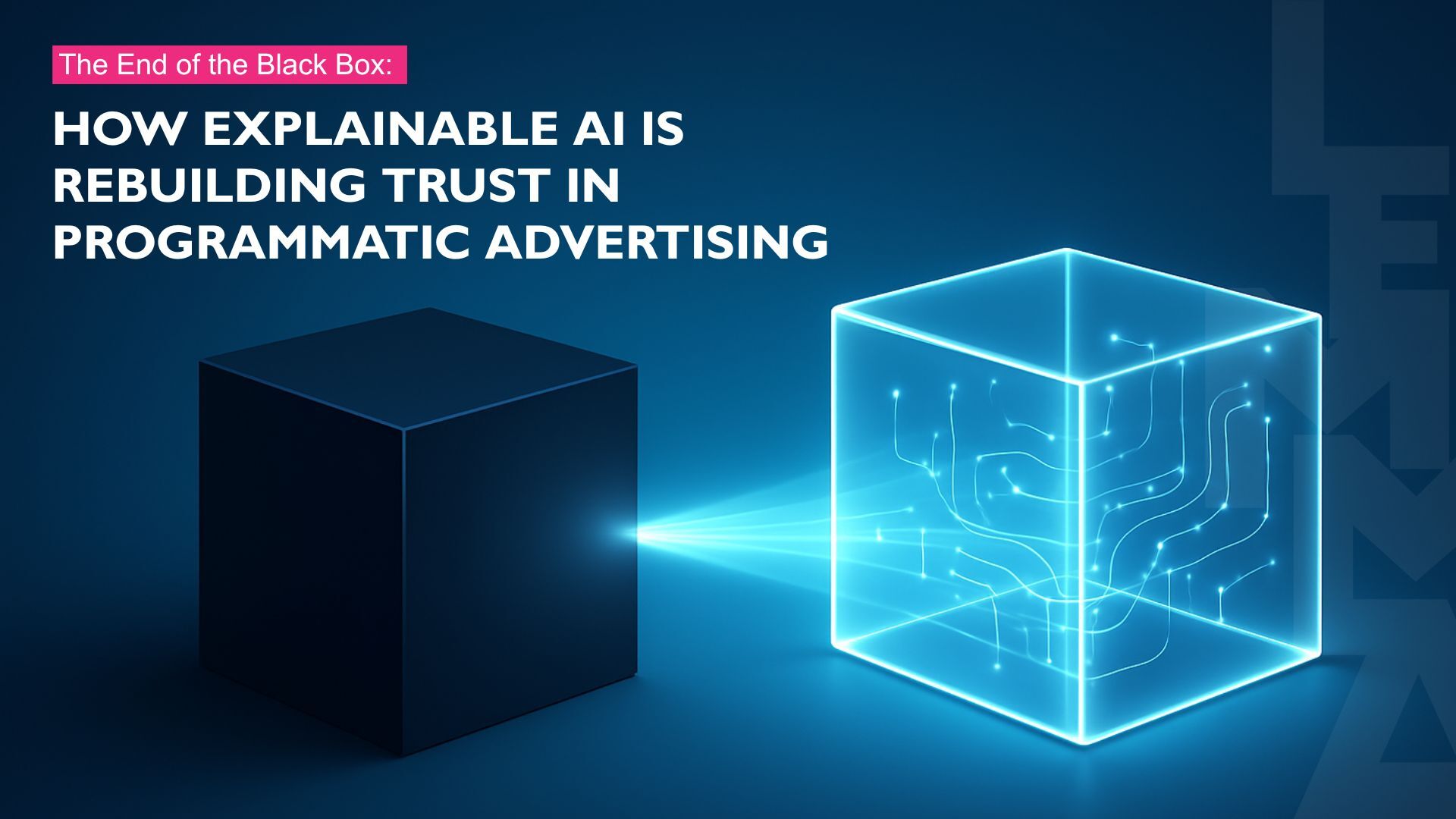
This rapid adoption led to major strategic discussions, particularly at DMEXCO 2025. Here, industry leaders debated the crucial balance between AI-supported efficiency and maintaining the strategic control and creative integrity that defines brand equity. The consensus was that AI must serve to make the supply chain smarter and more transparent.
2. The Dominance of High-Attention Programmatic Media
Programmatic technology successfully integrated with two of the year’s high attention, non-skippable inventory channels: Connected TV (CTV) and Programmatic Digital Out-of-Home (pDOOH).
Connected TV: Beyond the Linear TV Buy
CTV is officially the new centerpiece of video advertising. In 2025, CTV ad spend is set to surpass traditional linear TV for the first time, projected to hit $33.35 billion. The key innovation wasn’t just the scale, but the ability to drive action:
- Addressability as Standard: Over 90% of CTV display and video ads are now being bought programmatically, proving addressability is no longer optional.
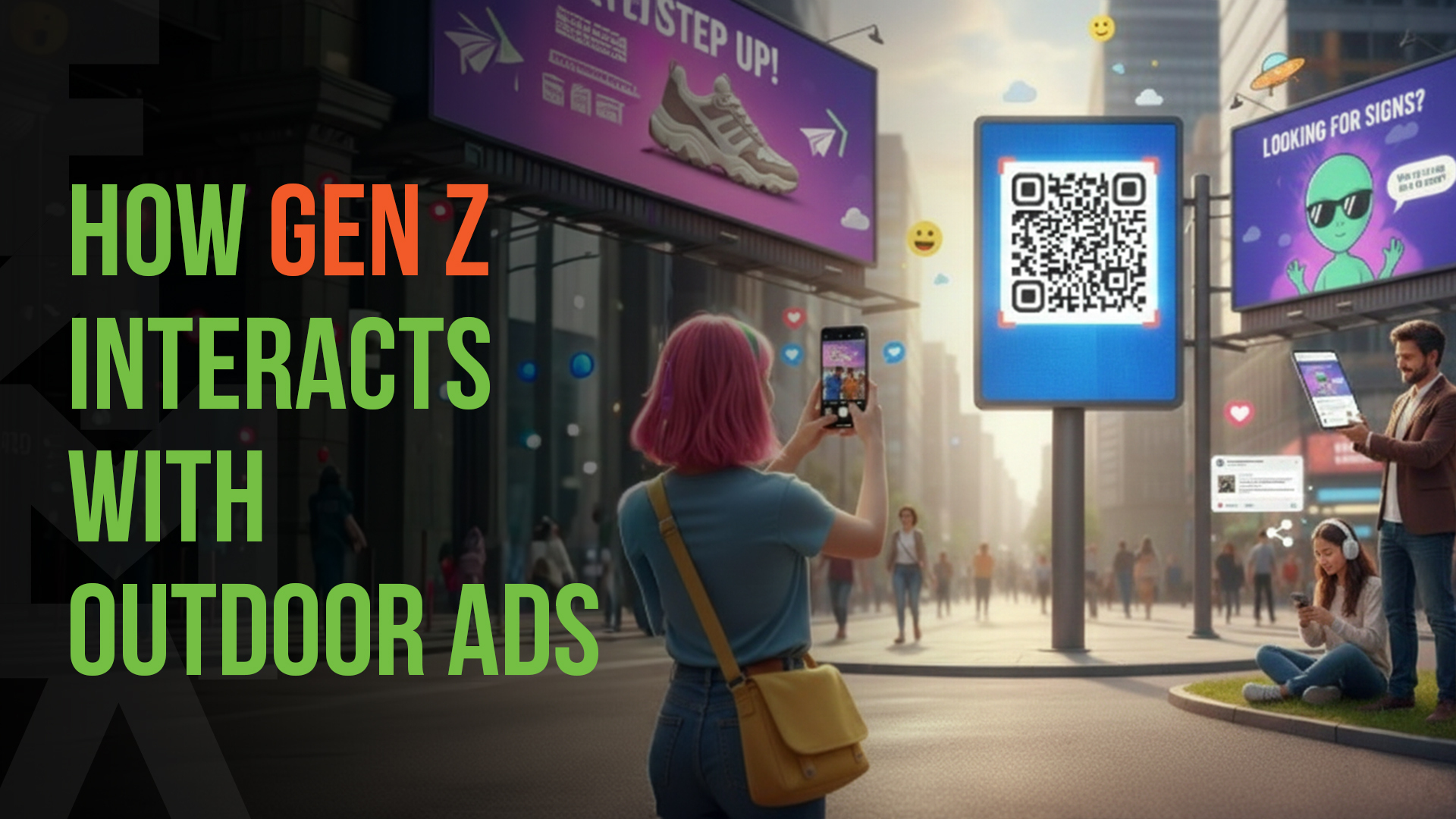
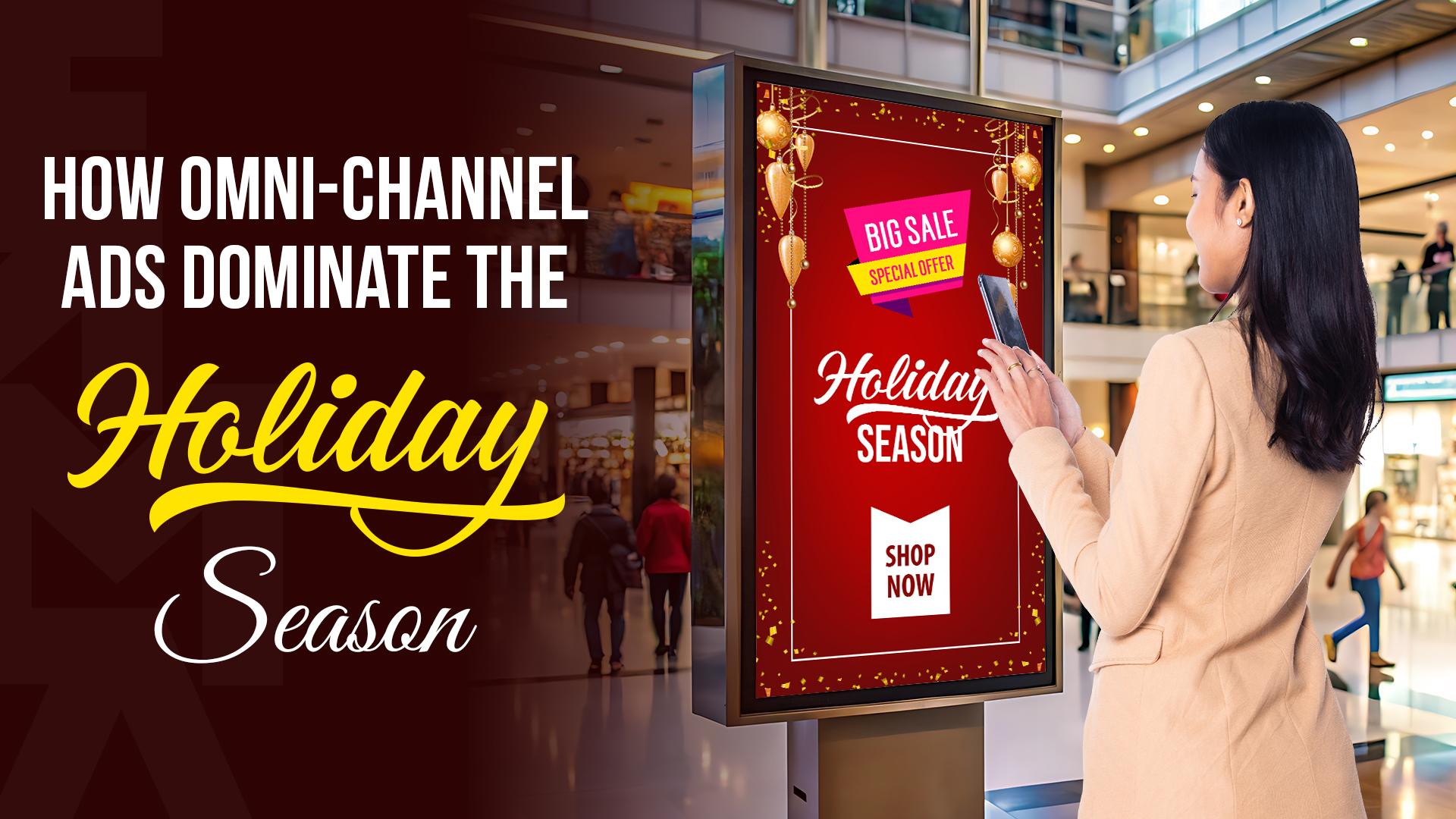
- Direct Response: The ad break is now a storefront, with 30% of consumers regularly using their phones to scan QR codes during TV commercials, turning brand building into a direct response opportunity. The technological backbone enabling this was a major theme at CES, which focused on unifying premium video buying platforms.
Programmatic DOOH: Real-World Conversion
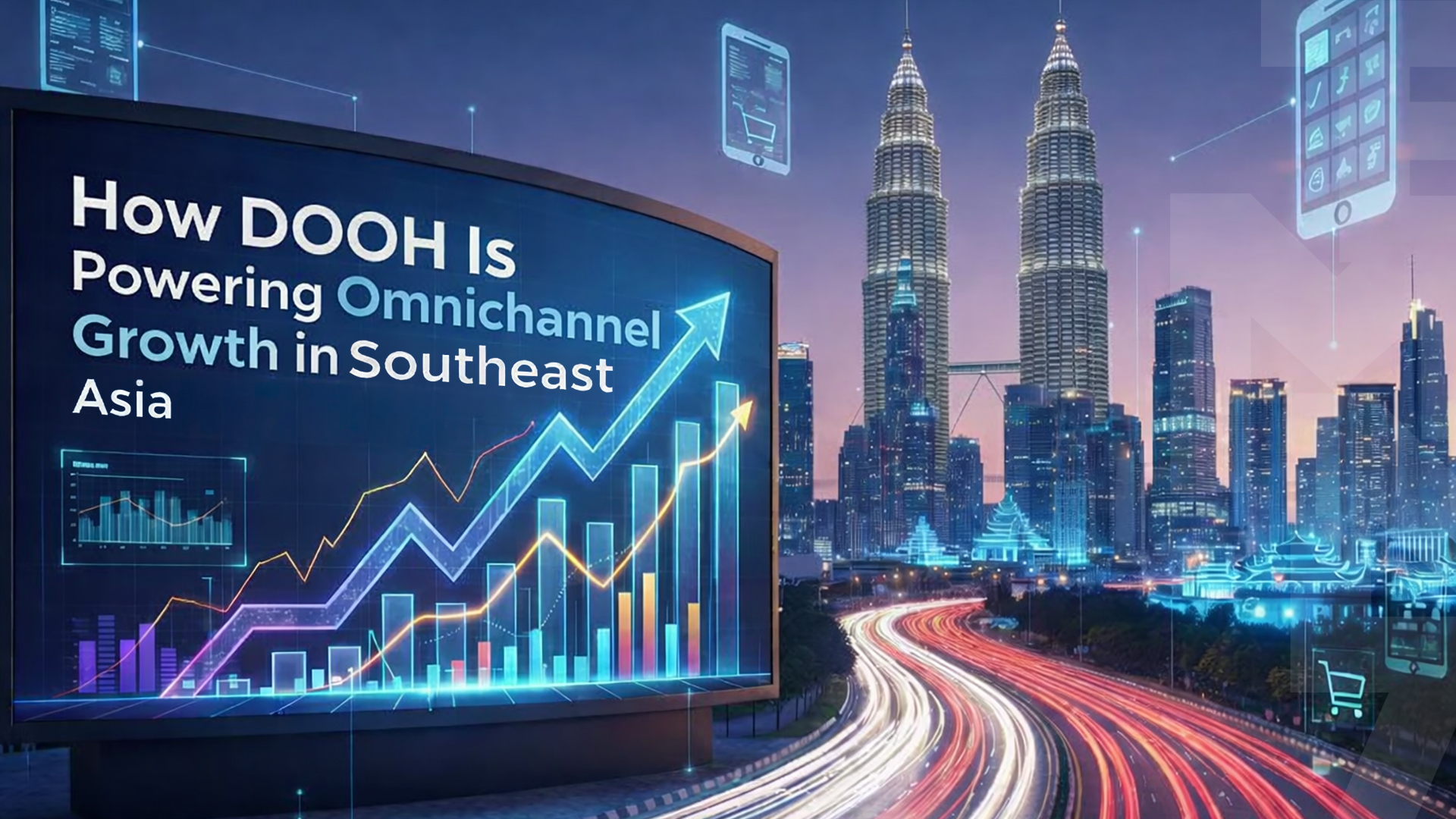
Digital Out-of-Home (DOOH) shed its “awareness-only” reputation by fully embracing programmatic buying. While the global DOOH market grew to $22 billion, the programmatic slice of this market is accelerating at an exceptional rate, driving real-world results: after seeing a DOOH ad, 29% of consumers visit a physical store, and 22% make an online purchase.
3. The Year Omnichannel Became Outcome-Driven
The biggest takeaway of 2025 is that when these channels work together, the results are exponentially better. This is the Omnichannel Imperative and it’s the key to retention, as 89% of customers stay with brands that have a strong, integrated omnichannel strategy.
The ultimate strategic synergy of the year involved Out-of-Home, Connected TV, and Mobile finally completing the customer journey. Quantitative data confirms that pDOOH acts as a powerful audience primer, amplifying attention on private screens (like CTV) by 52%.
Exposure on physical screens turned into action on personal screens. This seamless flow of DOOH → CTV → mobile became the new blueprint for omnichannel journeys, creating a smooth, natural path from awareness to action. Retargeting an audience exposed to pDOOH, for instance, results in a 3.5x higher Click-Through Rate (CTR) for subsequent mobile ads.
This full-funnel thinking was front and center at events in Miami, where summits like POSSIBLE focused on building holistic, measurable media strategies, ensuring that every touchpoint from the massive public screen to the phone in the hand contributes to a unified brand story.
The New Blueprint: Driving Programmatic Forward with Outcome-Driven Intelligence
In 2025, the programmatic ecosystem transcended mere expansion, evolving into a unified, intelligent, and highly mature engine. The core challenge is no longer a technological one of connecting channels, but a strategic one of orchestrating the full-funnel experience to deliver measurable business outcomes. This mandated convergence toward accountability and efficiency marks the definitive path forward.
The future of media is intelligent orchestration. At Lemma, we lead this convergence, empowering brands to build high-impact programmatic blueprints across every screen to maximize value.